The thermal water of Acque Albule
The water of Acque Albule is a sulphurous mineral water: it flows from the Regina and Colonnelle spring lakes at Tivoli Terme, with one of the most significant concentrations of hydrogen sulphide in Europe. This richness in sulphur — together with calcium and magnesium salts — makes it a healing water, used for two thousand years: the emperors Augustus and Hadrian bathed here, and today it is the heart of the thermal cures accredited with the Italian National Health Service.
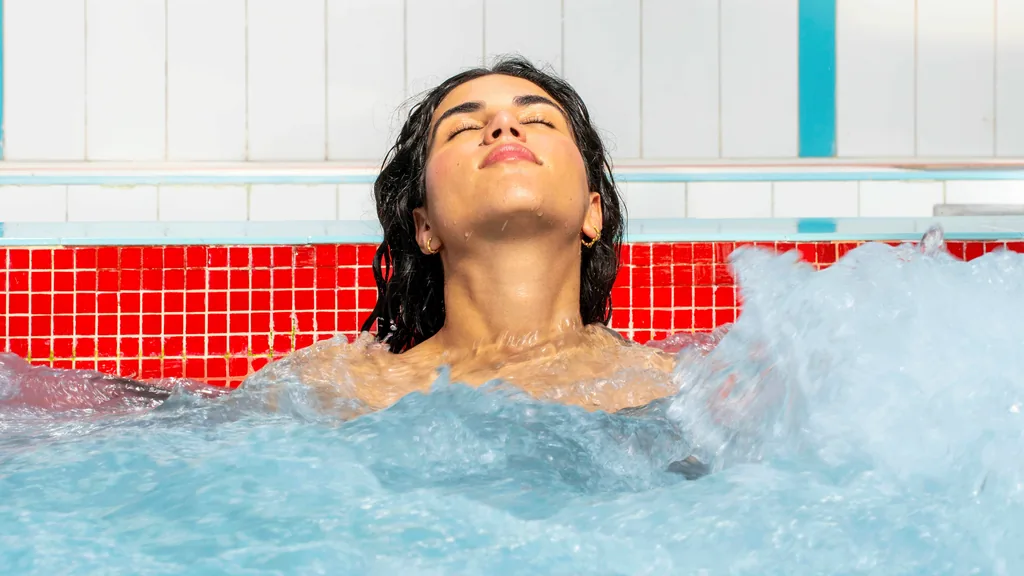
The name "Albule" comes from the Latin albulae, "whitish": the milky colour the water takes on when hydrogen sulphide meets the air — the visible sign of its sulphurous nature.
The water's identity card
The figures below come from the official chemical and physico-chemical analysis carried out by the Department of Public Health and Infectious Diseases of Sapienza University of Rome (31 January 2018) on the water of Lake Regina. Next to each value, what it means in plain words.
| Parameter | Value | What it means |
|---|---|---|
| Hydrogen sulphide (H₂S) | 21 mg/L | The "sulphur" of sulphurous water, the active principle of the cures: 1 mg/L is enough for a water to be classified as sulphurous — here there is 21 times as much. |
| Fixed residue at 180 °C | 2,654 mg/L | The amount of dissolved mineral salts: above 1,500 mg/L a water is classified as "rich in mineral salts". This is not table water: it is healing water. |
| Bicarbonate ions | 1,556 mg/L | They soften the water's action and contribute to its balance. |
| Sulphate ions | 772 mg/L | Typical of sulphurous waters, they complete the action of sulphur. |
| Calcium | 661 mg/L | The same mineral which, depositing over millennia, created the travertine banks of Tivoli. |
| Magnesium | 124 mg/L | A mineral involved in the wellbeing of muscles and the nervous system. |
| Free carbon dioxide | 1,279 mg/L | The water's light natural effervescence at the spring. |
| pH | 6.14 | Slightly acidic: characteristic of sulphurous-carbonic waters. |
Classification: sulphurous, bicarbonate-sulphate alkaline-earth mineral water. Full analyses can be downloaded at the bottom of the page.
What it does for your health
Sulphur is the key. The contact of hydrogen sulphide with the respiratory mucosa and the skin is the rationale behind three fields of use, all among the conditions recognised for thermal cures by the Italian ministerial decree of 15 December 1994:
1. On the airways — the literature describes an effect on mucus thinning and on mucociliary transport. This is the field of inhalation cures (aerosol, inhalations, insufflations) with this water are indicated for sinusitis, chronic bronchitis, rhinitis and rhinogenic deafness, and are accredited with the Italian NHS.
2. On the skin — sulphur is credited with a keratolytic and keratoplastic action and with soothing properties: sulphurous balneotherapy is indicated for psoriasis (excluding the pustular and erythrodermic forms), eczema, atopic dermatitis and recurrent seborrhoeic dermatitis. Read more on the thermal dermatology page.
3. On muscles and joints — the warm thermal bath, combined with the action of dissolved salts, helps loosen stiffness and supports rehabilitation: mud therapy and balneotherapy are indicated for osteoarthritis and rheumatism.
To all this, add the experience of bathing in spring water at a constant ~23.4 °C in the pools of the park: the same water as the cures, enjoyed as wellness.
Therapeutic indications must always be assessed with your doctor: accredited cures require a prescription from your GP.
The official analyses
Chemical and physical analysis 2018 — Sapienza University of Rome
Lake Regina, sampled on 15/01/2018.
Chemical and physical analysis 1994
The historical record confirms the stability of the composition over time.
For studies on the efficacy of the cures: Scientific publications →